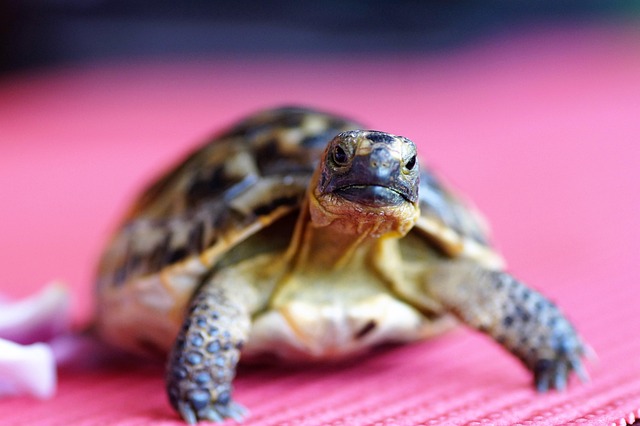
It is one of those gentle summer afternoons when you step out to check the garden, only to find an empty patch of trampled earth where your shelled companion usually basks. The immediate thought is often a mixture of disbelief and amusement: how far could a creature famous for its proverbially slow pace possibly go in a few short hours? The reality, however, surprises many pet owners who discover that these deliberate wanderers are far more adventurous than their reputation suggests.
The Surprising Speed and Distance of a Determined Explorer
While a tortoise moves at a leisurely crawl across a suburban lawn, its endurance and single-minded determination make up for its lack of velocity. When a tortoise sets its sights on an open gate or a weak spot in the fencing, it can march in a straight line for hours without stopping to rest. According to behavioural studies on terrestrial chelonians, active species like the Hermann or Spur-thighed tortoise can cover several hundred yards in a single day, traversing varied terrain, flower beds, and low garden borders with ease.
Because they do not tire easily and possess a strong homing instinct that sometimes sends them straight into neighbouring properties rather than back to safety, an escaped tortoise can quickly cross property lines. When searching your neighbourhood, it helps to expand your perimeter immediately rather than assuming the animal is still tucked under the nearest bush. For structured guidance on handling an escaped exotic pet, you can read our advice on what to do when a NAC is lost to ensure you cover all the essential bases.
Where Tortoises Dig In and Hide
Finding a missing tortoise is less about spotting movement and more about knowing where these animals naturally seek shelter. Tortoises are master hummock-dwellers and burrowers, driven by a deep instinct to protect themselves from midday heat or sudden drops in temperature. When they grow tired or frightened by urban noises, they will wedge themselves into dark, confined spaces that mimic a natural burrow.
Prime hiding spots include the dense undergrowth beneath dense shrubs, the hollow space under garden sheds, woodpiles, or compost heaps where the soil is loose enough to scratch out a shallow scrape. They are also notorious for slipping under low wire fencing into overgrown adjacent yards. If you are searching your street block-by-block, checking the local map can help coordinate a thorough sweep of nearby green spaces. You can view active searches on our alert map to see where other owners are looking or where recent sightings have been reported.
Search Strategies for Low-Moving Pets
Because tortoises do not leave dramatic footprints or broken branches in their wake, standard tracking methods often fail. The best approach is systematic and relies heavily on community awareness. Start by checking the immediate perimeter in widening concentric circles, looking closely at any shadowed recesses at ground level. Morning and late afternoon are the best times to search, as tortoises often emerge to bask in the weak sun or forage for fresh shoots.
If your own garden yields no results, expanding the search to your immediate neighbourhood is critical. Tortoises are frequently found by observant gardeners, dog walkers, or children playing in nearby yards. To maximize your reach, you can publish a free geolocated alert that instantly notifies neighbours within a one to twenty kilometre radius. This alerts anyone living nearby to keep an eye on their garden borders and allows them to report sightings directly onto your alert timeline while keeping your personal phone number secure from scammers.
Preventing Future Escapes
Once your wandering explorer is safely back home, it is worth evaluating your garden security to prevent future outdoor excursions. Tortoises are deceptively strong and can use their shoulder power to lift chicken wire or squeeze through surprisingly narrow gaps beneath garden gates. Reinforcing your perimeter with solid barriers, burying wire mesh a few inches into the soil to stop digging, and ensuring all low gates remain firmly latched will give you peace of mind while your pet enjoys supervised outdoor time.
If your search requires more hands or if you want to connect with other exotic pet owners in your area, our community features offer plenty of ways to stay prepared. You can explore local pet groups in the neighbourhood watch directory, check our extensive NAC breed guides, or visit the shop to find durable QR code ID tags designed to make future reunions instantaneous.
If your tortoise is currently missing, do not wait for nightfall. Take a moment to publish a free geolocated alert and print a shareable poster with a QR code to hand out to neighbours and local shops.



