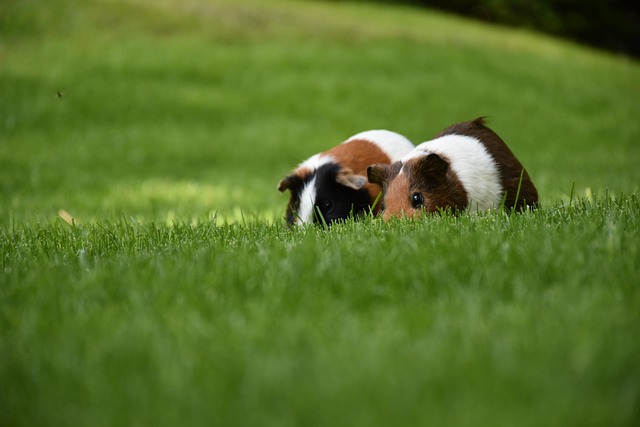
Realizing your small companion has slipped away can send a wave of panic through any pet parent, but finding a missing guinea pig requires a very specific approach compared to dogs or cats. Because these pocket pets are prey animals by nature, their immediate reaction to being loose in an unfamiliar space is rarely to dash around squeaking for help. Instead, they rely on a powerful freeze response, tucking themselves tightly into the darkest, most secluded crevice they can find and staying completely motionless. Understanding this instinct is your greatest asset in bringing them home safely, whether they vanished behind the living room sofa or squeezed under a garden shed. If you are dealing with other exotic pets, you can also consult our broader guide on handling a lost exotic companion through our nac lost protocol advice.
Decoding the Freeze Response and Why Silence Matters
The number one mistake people make when searching for an escaped guinea pig is shouting their name and tearing through the house, turning over furniture with heavy thuds. To a guinea pig, a sudden loud noise and shaking ground signal an approaching predator. Their instinctual response is absolute stillness. They will not run toward your voice; they will freeze and hold their breath, making them virtually impossible to spot if you are moving too fast. Turn off all music, ask family members or roommates to sit quietly in different rooms, and silence your mobile phone. Approach the search area with slow, gliding movements and lowered postures. By replacing frantic searching with quiet patience, you give your pet the confidence to eventually break their freeze state and respond to familiar cues.
Search Low, Dark, and Quiet Spaces First
Guinea pigs are physically built low to the ground and naturally seek out enclosed, cavernous spaces that mimic a burrow or a hiding hut. When searching indoors, look under every piece of furniture with low clearance, behind bookshelves, inside open low cabinets, beneath laundry baskets, and wedged between stacked boxes in closets or the garage. If your pet got outside into the garden, do not look out in the open lawn. Instead, check directly beneath dense evergreen shrubs, inside woodpiles, under overturned flower pots, behind garden sheds, and along the dark perimeter where a fence meets the tall grass. Bring a small, warm-toned flashlight to peek into deep shadows, but avoid shining harsh, blinding beams directly into potential hiding spots, as this can startle them right back into a prolonged freeze.
Lure Them Out with Familiar Food Sounds and Aromas
Because sight and movement can trigger their fear response, auditory and olfactory cues are your most effective tools for coaxing an escaped guinea pig out of hiding. Shake a bag of their favorite pellets, crinkle a plastic wrapper that usually signals dinnertime, or snap a fresh carrot or leafy romaine lettuce stem in half to release that sharp, recognizable scent. Once you make these familiar sounds, do not hover over the spot. Place the food offering gently on the floor, step back several feet into the shadows, and wait in absolute silence for five to ten minutes. Listen intently for the soft, distinct sound of rustling hay, nervous sniffing, or their characteristic soft wheeking. If you are worried about outdoor risks or need advice tailored to similar small herbivores, you might also find our guide on handling a missing rabbit helpful via our rabbit lost search protocol.
Securing Your Home and Expanding Your Neighborhood Network
While you scour every indoor room or garden corner, make sure to temporarily block off dangerous zones to prevent further wandering. Close all interior doors to trap them in a single room, block access to stairwells, keep other household pets safely confined in a separate bedroom, and cover any floor-level floor vents or basement window wells. If your guinea pig managed to slip out an exterior door or burrow under an outdoor gate, you will want to alert your immediate community right away. You can post a free geolocated alert with photo, approximate location and description on Pista to ensure that neighbors within a one to twenty kilometer radius are instantly notified if anyone spots your small traveler. Pista's built-in internal messaging safely protects your personal phone number against scams while letting helpful community members send real-time sightings straight to your alert timeline. For long-term prevention once your furry friend is safely back home, consider outfitting their travel carrier or harness with a QR code ID tag from our shop that instantly opens a secure contact page when scanned, and explore our community hub to see how local networks support pet safety through our mutual aid hub.
Taking a deep breath, quieting your environment, and systematically checking low hiding spots will dramatically improve your chances of a quick and happy reunion. When your guinea pig is safely back in their enclosure, you can publish a free geolocated alert on Pista to let your neighborhood community know your search is successfully over.



